Quantum Engineering Bridge Program 2.0
The CEO of OpenAI announced recently that humanity has entered the AI-Singularity and with the breakthroughs on different areas since the advent of the frontier models, from generating art like images and music, debating STEM and HASS and teaching it effectively, solving mathematical equations and problems, assisting on software development and generating codes, cybersecurity functions, to solving standing open mathematics problems, to creating synthetic virus, and many more, it is very obvious that such statements on AI-Singularity is already true. The implications is enormous. Modern AI systems such as the frontier models from the US and open-weight models from China are not only solving problems but solving hard problems that will contribute to the growth of humanity.
One noticeable implication is that AI models are now competing not only in the field of HASS but also STEM. Such trend is taking the value away from PhD programs because the traditional expensive path to train humans to become scientist and engineers discovering, inventing, and improving knowledge can now be solved in a less costly way. A radical shift in educational institutions is now due specially from higher learning institutions. Such has begun and we are already seeing this from China purging many college degrees. Some institutions are not requiring a thesis anymore such as in the case of applied sciences and engineering but are demanding creation of an artifact with the use of AI models. I see the future as having less PhD programs with the ones remaining are the ones that are hard for human systems integrator to understand. The same fate might also happen to MS programs and the like.
What is the value of an MS or PhD if the research that this programs aims to do with a human, the AI can do better while human systems integrator are familiar with it? Unless the MS or PhD is on a domain that is hard for human systems integrator to understand.
In line with this, I will have to change the course on my academic journey. Before the modern AI era, my eyes was fixed on a second undergraduate degree on Electrical Engineering and then was planning for an MSEE with electives from MS Physics and then on PhD EEE with electives again from PhD Physics. I had to drop from the BSEE program because with the rise of modern AI, I felt that the program was too traditional and lagging behind fast. I decided to shift to a second undergraduate degree on Computer Engineering which is more aligned to modern AI and with the upcoming Physical AI. This changed after learning that we indeed entered the AI-Singularity era and because of the upcoming changes in the horizon brought about by the unprecedented capabilities of modern AI’s these days, traditional technology and engineering will become trivial. It is therefore wise to look ahead the horizon and because I did my studies related on Quantum Computing and Quantum Networks using QKD, and also have an interest in Quantum Mechanics including other applications such as quantum sensors, quantum radars, and many more I think it is much wiser now to concentrate on Quantum Engineering. After all, the correct physical theory is not classical mechanics and classical electrodynamics, but Quantum Mechanics.
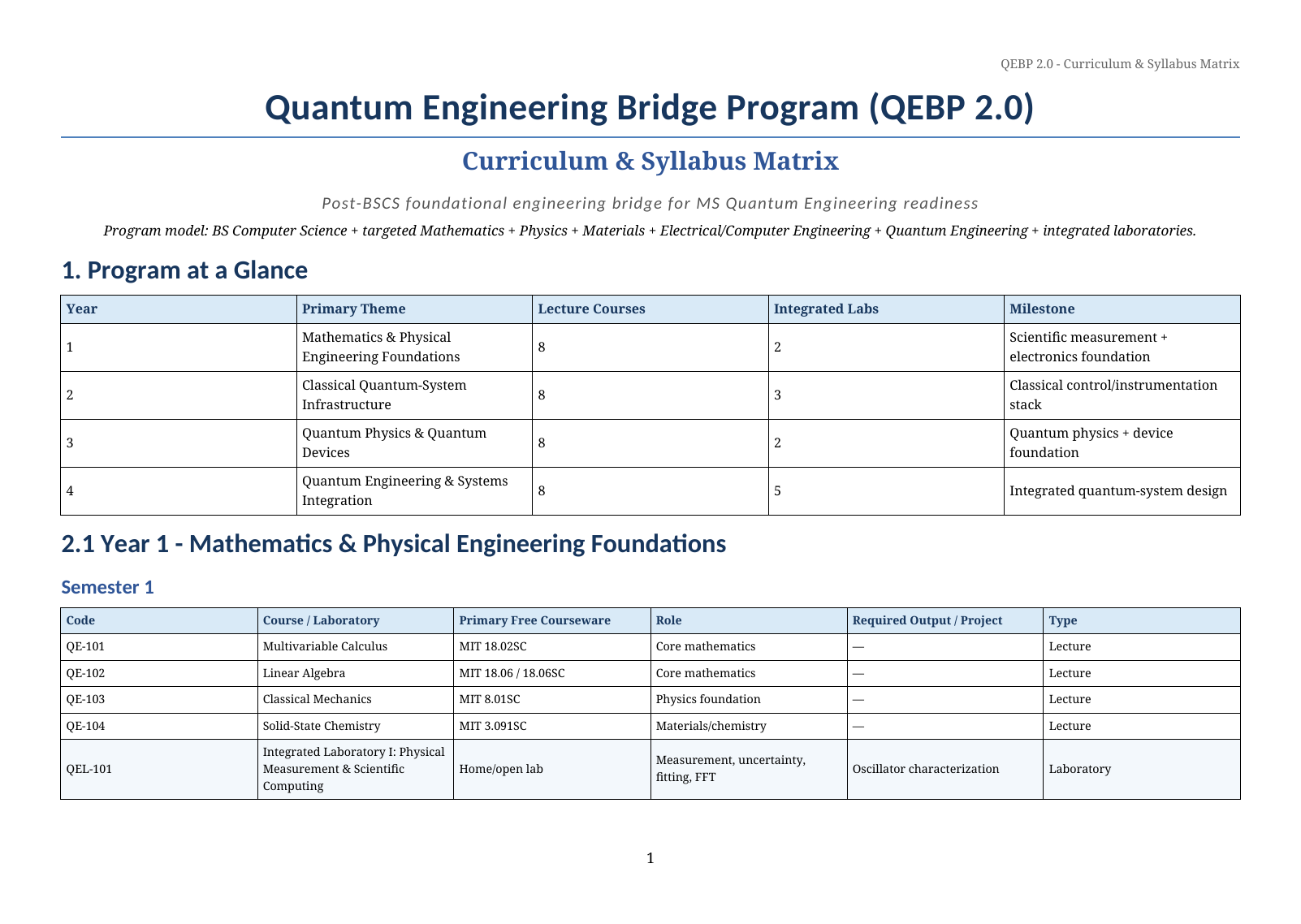
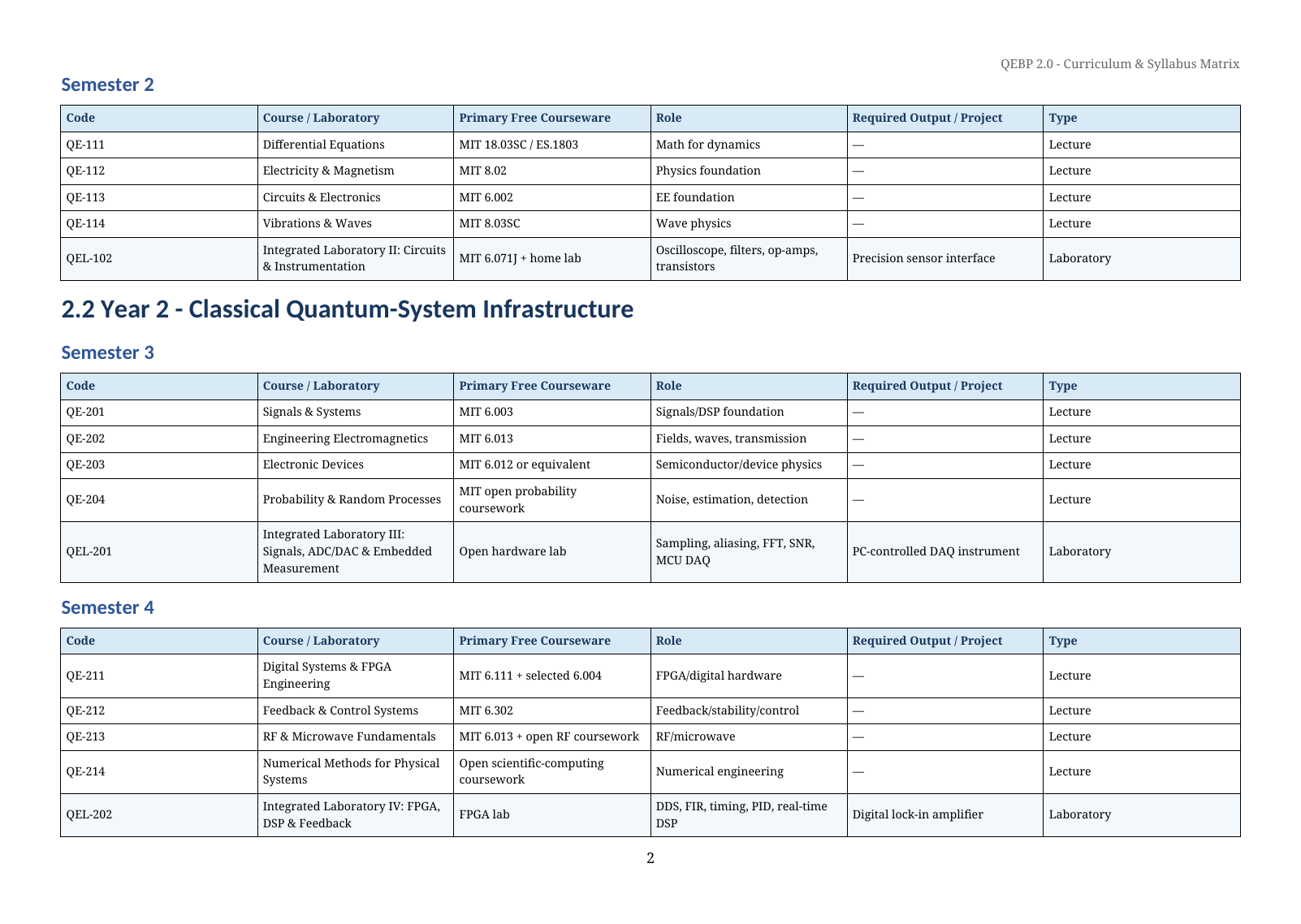
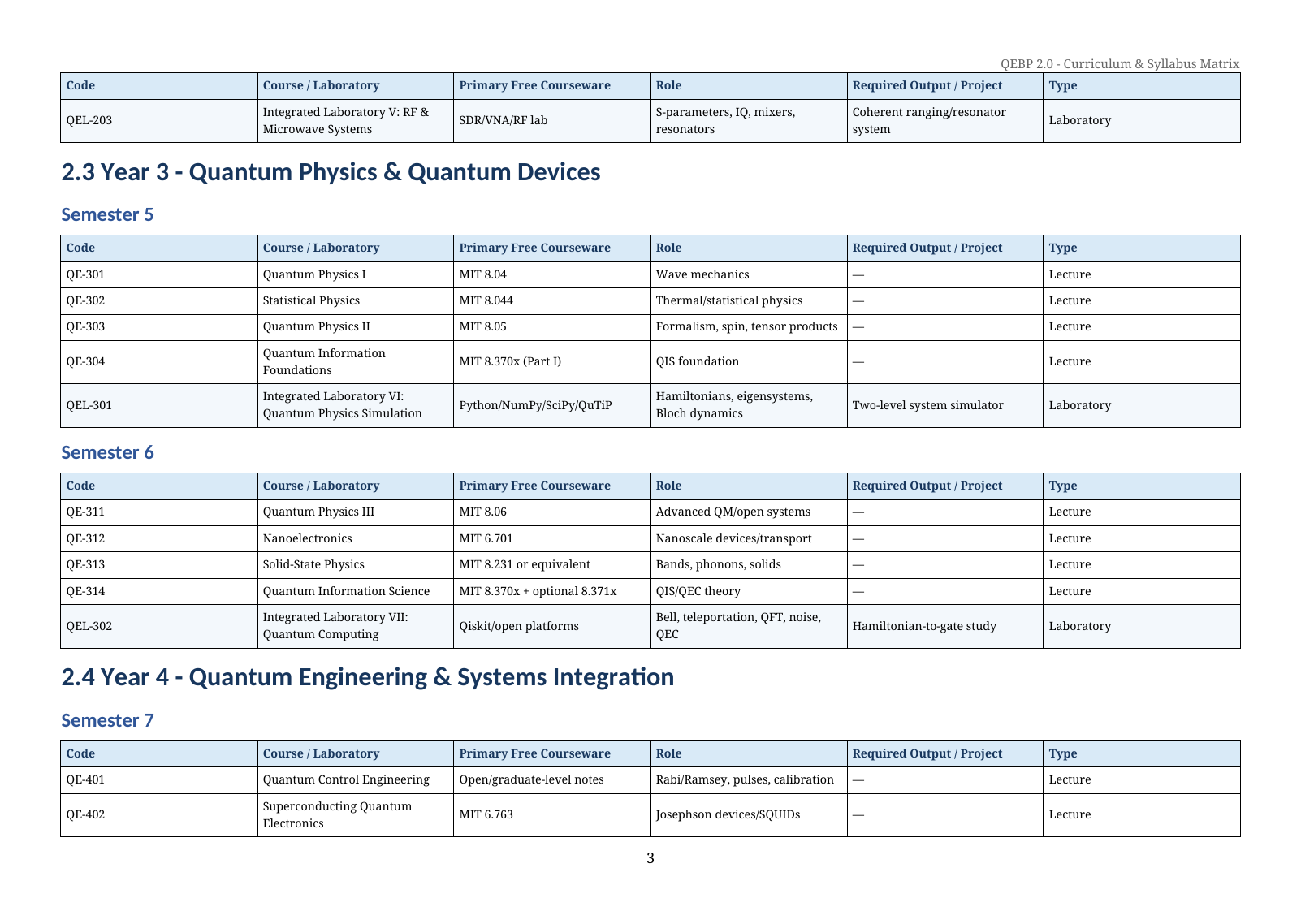
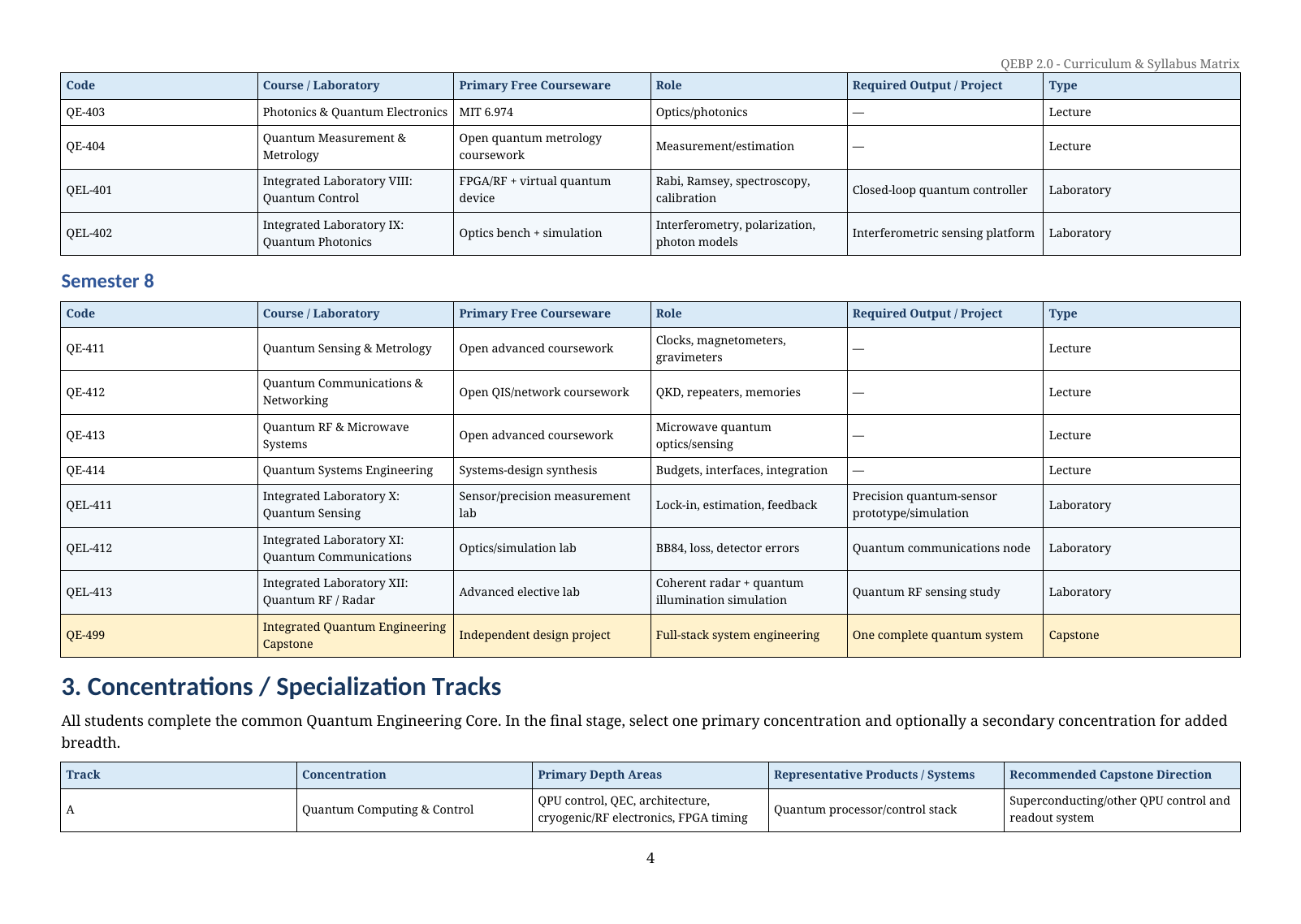
The plan now is to ditch the previous plans based on a formal second undergraduate degree + MS + PhD. The change will be self-study of Quantum Engineering based on a comprehensive and specialized bridging program after which I will be ready for a graduate level Quantum Engineering in the future under an MS which is also the terminal program for me because with an MS in Quantum Engineering + AI, I could do well than a traditional PhD without an AI in his tools.
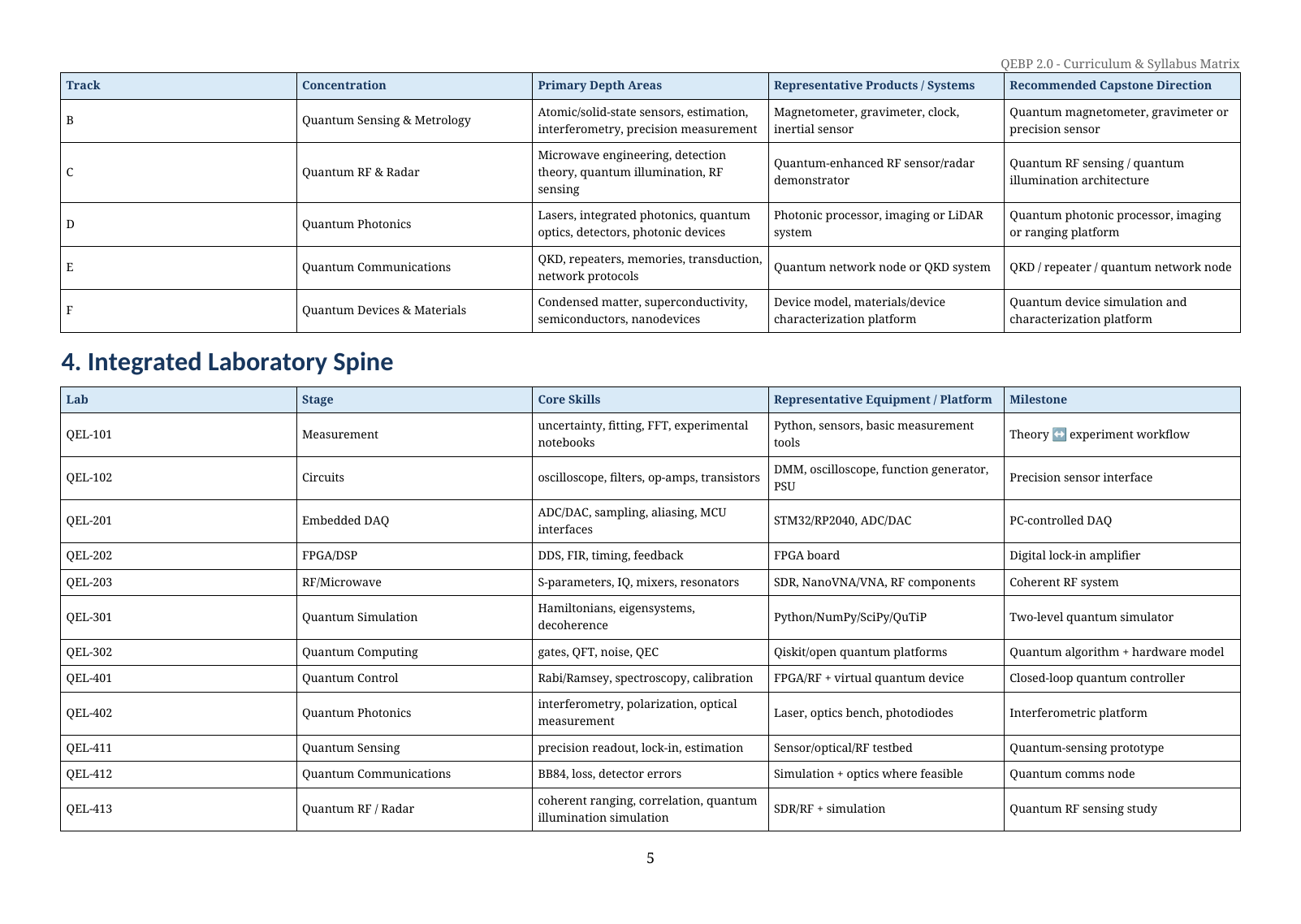
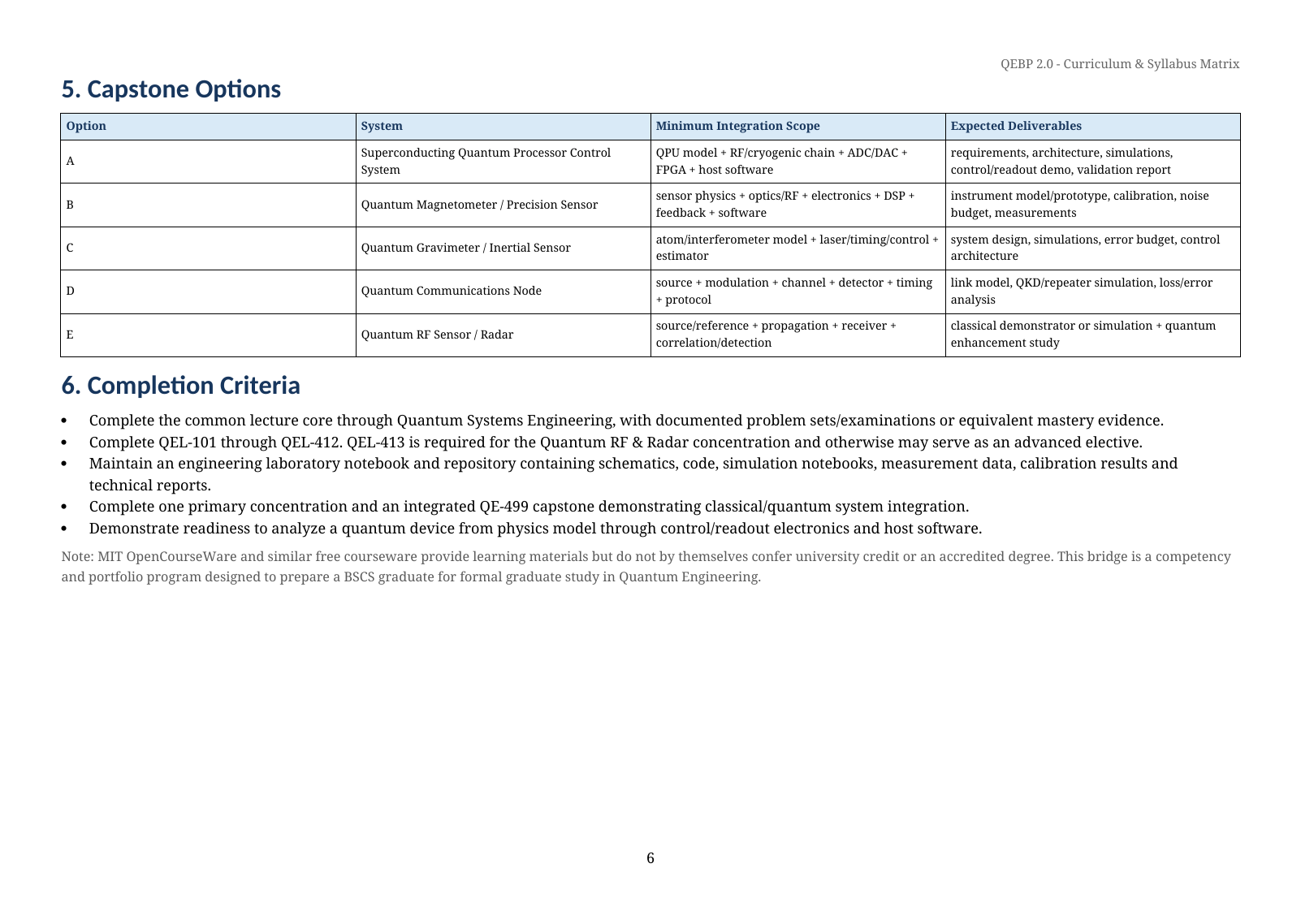
The final program is a long self-study journey that will take me more than 4 years to finish before I can apply for an MS in the field and is a combination of breadth and depth with integrated laboratories with project deliverables apart from the lectures and the capstone project:
This site will document work in engineering, computing, artificial intelligence, physics, Linux, and experimental technology.